
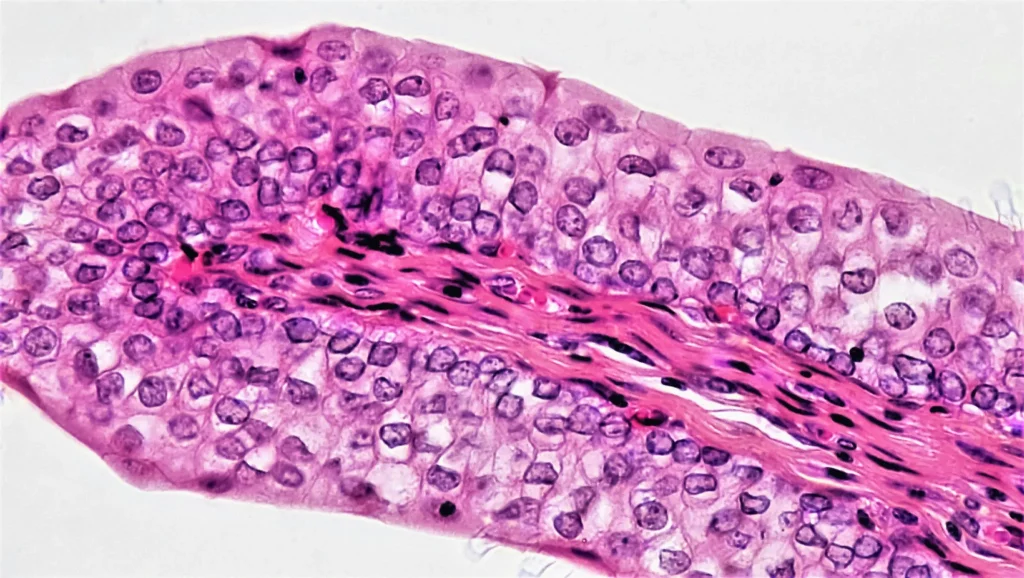
A goal of mine, as my PhD progresses, is to be more visible in my work. With that in mind, I’d love to share the first post on my personal site, which is all about getting started with Deep learning for histological image processing (for cancer detection).
The methods in this aren’t state of the art, but it’s really just intended to serve as a guide (for my future self, and hopefully others!) of how one can go about wrangling histological data.
Whole slide histology images are enormous, often multi-gigapixel in size, which makes integrating them into deep learning pipelines far from straightforward. Because these slides need to be broken down into thousands (or even millions) of patches, I outline how I use classical computer vision techniques for background–tissue segmentation to reduce the number of patches extracted. I also describe how I structure and track patches using a dictionary-based approach, which helps keep the pipeline manageable.
You can read more about Burhan’s work and follow him on: LinkedIn and his personal website.