

Alexander Dillabaugh
Bio-Computational Approaches to Understanding Transition to Psychosis
My PhD project investigates the mechanistic pathways linking trauma to psychosis, using computational and data-driven approaches to better understand the biological, cognitive, and environmental processes underlying the development of psychotic disorders. Before beginning my PhD, I completed an MPhil in Clinical Psychology at the University of Cambridge and earned dual bachelor’s degrees in Neurobiology, Physiology and Behavior and Spanish from the University of California, Davis. Outside academia, I worked in community mental health and psychiatric rehabilitation, supporting individuals experiencing severe mental illness and homelessness. My long-term goal is to bridge computational psychiatry and clinical psychology to develop more precise and equitable approaches to the prediction, prevention, and treatment of psychosis.
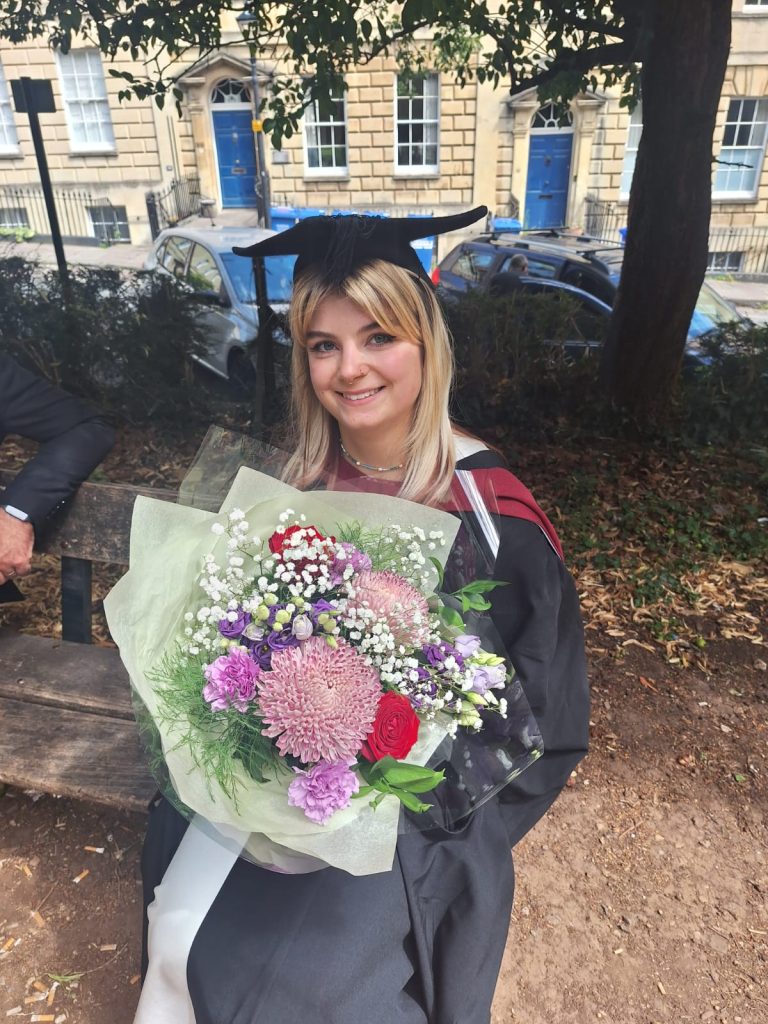
Emily Christine Gillibrand
From Survivor Blood to Curing Cancer
In my Cancer Biology and Immunology MSci at the University of Bristol, I became fascinated by the intricacies of cancer development and its interaction with the immune system. I completed two projects: one focused on the effect of adenosine on T cell anti-tumour function, and the other on NK cells in acute lymphoblastic leukaemia.
After graduating I worked in an NHS lab while applying for PhD positions. I was delighted to finally secure a place on the GW4-DTP after interviewing two years in a row. Now my PhD project focuses on T-cells of expectational cancer survivors who have achieved complete remission, where I aim to understand what makes these T-cells so special, with a particular focus on HLA-agnostic ‘unconventional’ T-cells.
I am excited to investigate how these T-cells recognise cancer through functional assays, flow cytometry and whole-genome CRISPR-Cas9 screens, while continuing to grow as a scientist in a supportive environment.
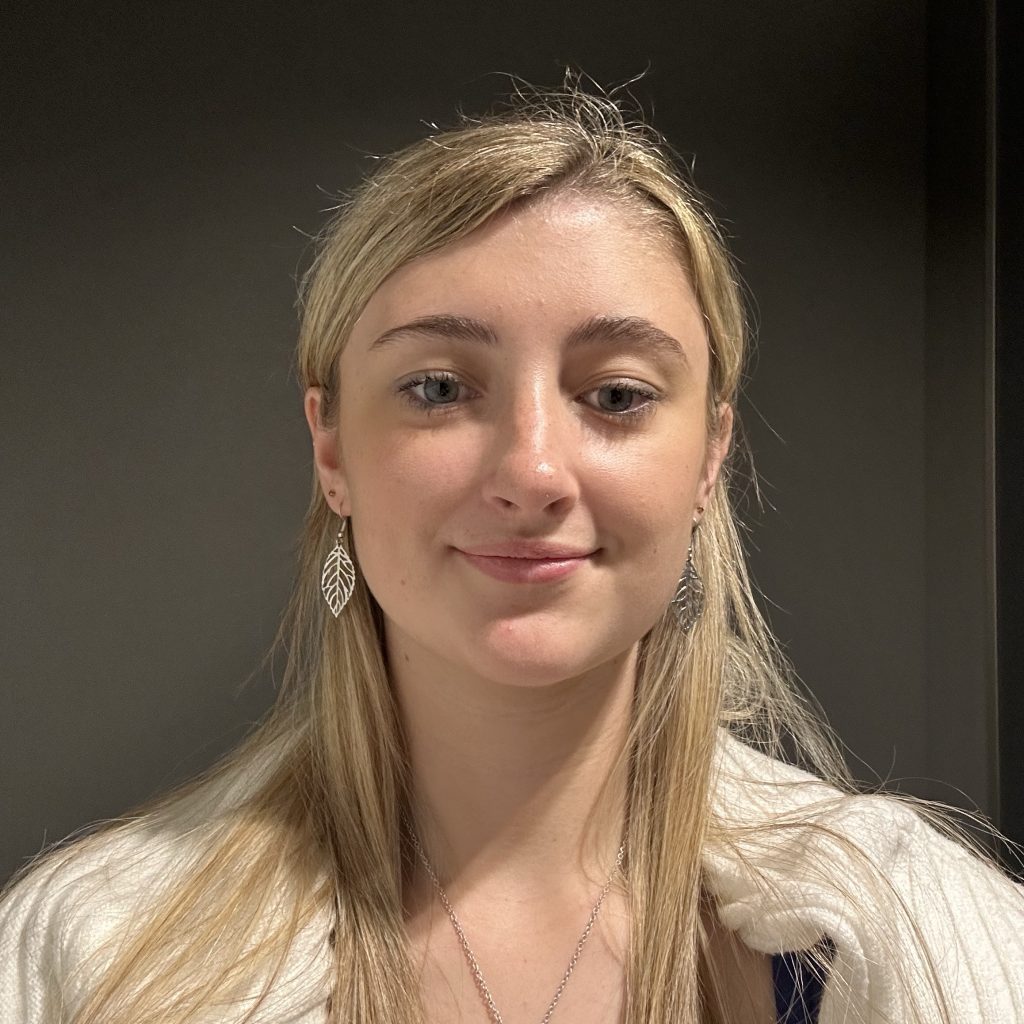
Gemma Warren
Mental health of young people with a disability or chronic illness: a focus on intersectional inequalities
I have attained an undergraduate degree in Psychology from Warwick University. I later went on to gain a Masters Degree in the Foundations of Clinical Psychology from Bangor University, Wales where my dissertation focussed on self, identity and well-being in health older people and older people with dementia. Following this I worked as a research assistant investigating food related challenging behaviour in children with neurodevelopmental disorders and then went on to build a career in positive behaviour support.
In doing so, I have had the privilege of working with children and young people with a range of special educational needs, schools, families and teams of staff. I am a certified behaviour analyst and have supervised other professionals to achieve this accreditation. My PhD explores how societal structures intersect to shape the mental health of young people with disabilities/chronic illness using a mixed methods approach to inform policy and improve support.
Georgia Bonfield
Uncovering new genetic mechanisms of beta-cell autoimmunity to better understand type 1 diabetes
I completed an MSci in Biomedical Science at the University of Southampton, where my master’s project explored cell trafficking in Parkinson’s disease. This experience sparked my enthusiasm for laboratory research and experimental science. I then moved into clinical science, working as an Associate Practitioner in Immunology within an NHS Blood Sciences department. This role deepened my interest in immunology and gave me valuable insight into the role of laboratory science in patient care.
I subsequently joined the Monogenic Diabetes team in Exeter, where I discovered a research area that brings together my interests in genetics and immunology, alongside both computational and laboratory-based approaches.
My PhD explores the molecular interplay between monogenic diabetes and classical type 1 diabetes, focusing on uncovering new genetic mechanisms underlying beta-cell autoimmunity. By better understanding how genetic factors influence immune-mediated beta-cell destruction, I hope my research will contribute to a deeper understanding of type 1 diabetes and its underlying biology.
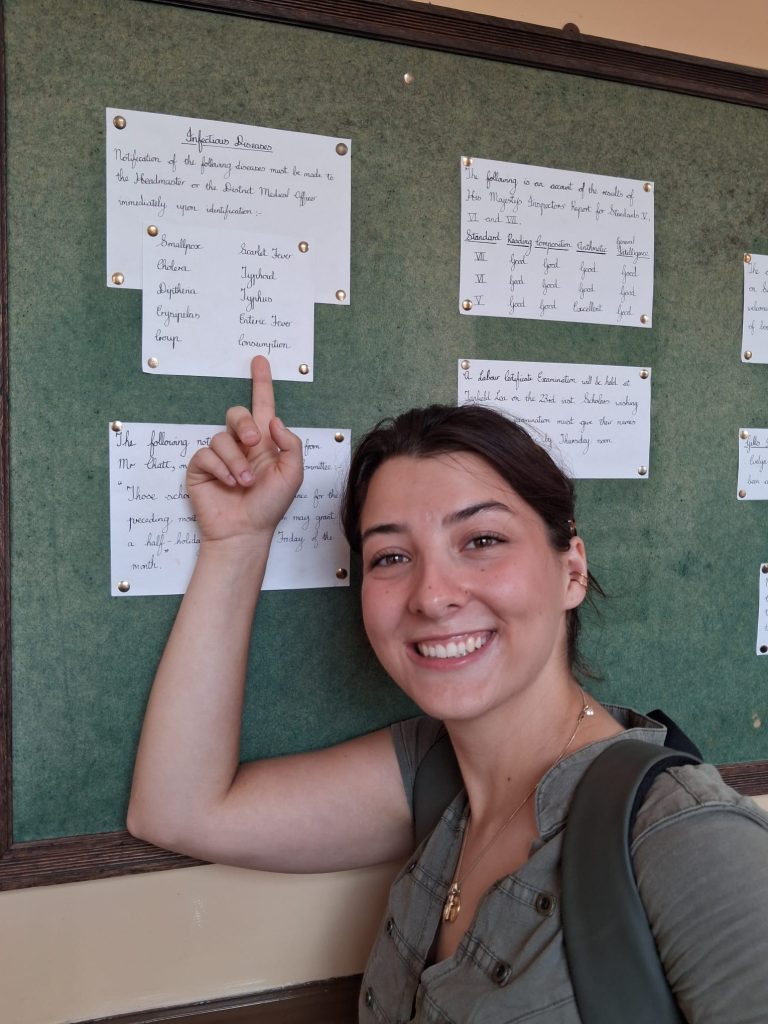
Inés Borley
New approaches for modelling tuberculosis transmission in low incidence settings
I graduated from King’s College London in 2026 with an undergraduate degree in Global Health. I’m now pursuing my PhD at the University of Bristol, exploring the causes behind the disparity in tuberculosis prevalence between men and women. I hope to understand why TB affects men at a greater rate than women, allowing for the development of new and more effective TB prevention measures.
Isha Chopra
Hope in the Darkness: Identifying protective factors to prevent self-harm
At the University of Bristol my project Hope in the Darkness, explores protective factors for self-harm using longitudinal cohort data, including the Avon Longitudinal Study of Parents and Children (ALSPAC) as well as a qualitative study. My research is particularly interested in moving beyond a focus on risk alone, to better understand the social, psychological and environmental factors that may protect against self-harm and contribute to better outcomes.
I have previously studied Psychology BSc and hold an MSc in Clinical Psychology as well as working as a Public Health research associate. My previous experiences and PhD project will allow me to make recommendations for practitioners and inform clinical assessment in regards to self-harm
Juliette Hoefle
Modelling and Communicating Avian Influenza Spillover at the Human–Wild Bird Interface: A One Health Approach
My PhD project at the University of Bristol investigates the risk of avian influenza spillover at the human-wild bird interface. Working with collaborators at the University of Exeter, UKHSA, and Institut Pasteur, I will use epidemiological modelling, ecology, and social and behavioural sciences to help inform public health guidance and communication.
I have a dual background in biology and social sciences (Sorbonne Université and Sciences Po Paris) and hold an MSc in Infectious Diseases and One Health jointly delivered by Université de Tours, Universitat Autònoma de Barcelona, and Hannover Medical School.
Before starting my PhD, I worked at the European Centre for Disease Prevention and Control (ECDC) on infectious disease surveillance and One Health policy in the EU/EEA. I am passionate about connecting people and ideas across disciplines to improve the health of humans, animals, and the environment.

Mathilde Klitgård
Neural Mechanisms of Pain Relief: Comparing Cognitive Training and Neurostimulation Interventions
I graduated from the University of Manchester in 2022 with a BSc in Cognitive Neuroscience and Psychology. I developed a keen interest in neuroimaging, which I pursued through an MSc in Cognitive Neuroscience and Human Neuroimaging at the University of Sheffield.
I then spent two and a half years as a research assistant, gaining extensive experience in MRI acquisition and analysis. During this time, I also helped establish a new paediatric sleep laboratory, further developing my skills in data analysis, research design, and scientific communication.
These experiences sparked a particular interest in neurostimulation as a non-invasive treatment approach.
In my PhD, I will compare neurostimulation and cognitive bias modification for experimentally induced pain in healthy participants before using simultaneous brain-spinal fMRI to investigate the efficacy and neural mechanisms of the most effective intervention. Ultimately, I hope to advance accessible, drug-free pain management strategies that improve quality of life.
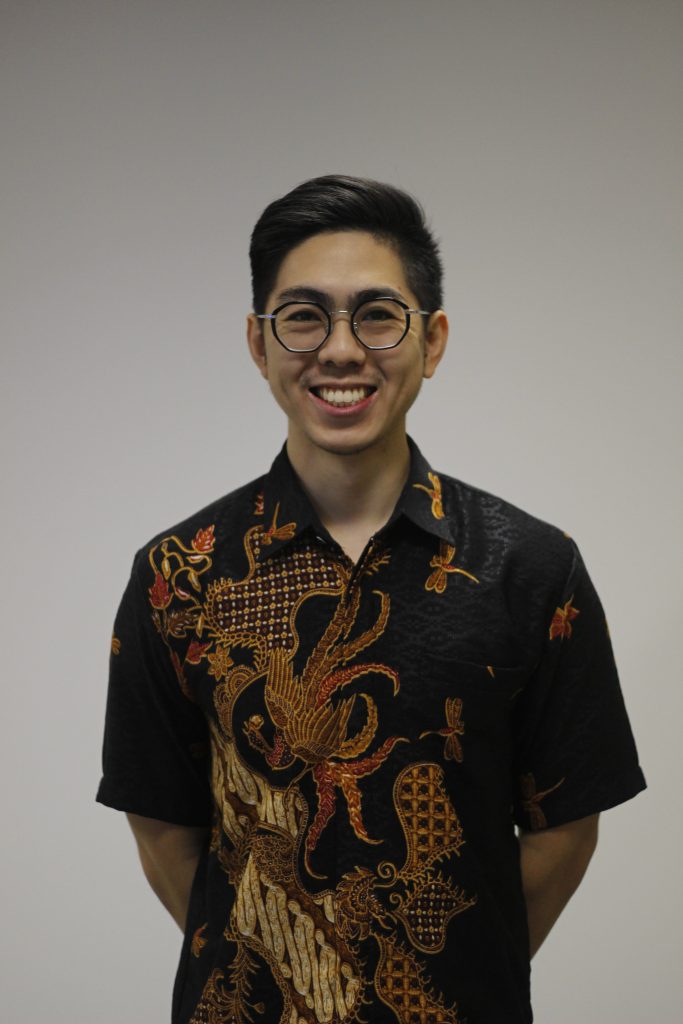
Matthew Nathanial Handoko
Transforming Obesity Care in Idiopathic Intracranial Hypertension: A Person-Centred, Multidisciplinary Approach
My academic journey began in Indonesia, where I trained as a dietitian and developed an interest in nutrition research, particularly functional foods, food science, and their applications in health and disease. I later pursued an MSc in Obesity and Clinical Nutrition at University College London (UCL), graduating with Distinction and receiving Dean’s List recognition. I am also a Registered Associate Nutritionist (ANutr) in the UK.
My research interests have since expanded to nutritional epidemiology, evidence synthesis, and precision nutrition, alongside a growing curiosity about the complexities of obesity management.
I am now pursuing a PhD at the University of Bristol, exploring how we can improve obesity care for people living with idiopathic intracranial hypertension (IIH), a rare neurological condition. I am particularly excited to work alongside patients and healthcare professionals to develop more personalised, holistic, and effective approaches to weight management.

Olivia Camilleri
Tuning the Innervation Capacity of Regenerative Biomaterials
I graduated from Cardiff University with an Integrated Master’s in Biomedical Sciences (MBiomed), including a Professional Training Year. For my placement, I joined the Armstrong group at the University of Bristol, where I worked on a tissue engineering project developing an injectable, high-density collagen hydrogel for the repair of nonunion fractures. I then returned to Cardiff to complete my master’s research project on osteoarthritis, investigating whether NFAT transcription factors play a degradative or protective role under mechanoinflammatory conditions. I am now undertaking my PhD back in Bristol under the supervision of Dr James Armstrong, where I am developing biomaterials to better support innervation. My work will focus on the impact of stress relaxation rate, a biomechanical property increasingly recognised as important in regulating the growth, morphology, and differentiation of neural cells.
Peter Gait
Understanding and supporting psychological trauma related to the experience and treatment of eating disorders
Before starting my PhD at the University of Bath, I completed a BSc (Hons) in Psychology at the University of the West of Scotland and an MSc in Clinical Health Psychology at the University of Strathclyde. Alongside my studies, I worked in health and social care, supporting people with learning disabilities, autism and complex support needs. I also completed a community mental health placement in Bali facilitating wellbeing workshops. These experiences strengthened my interest in improving people’s experiences of care.
My PhD explores psychological trauma related to the experience and treatment of eating disorders. I am particularly interested in how people distinguish between distressing, harmful and traumatic experiences, and how lived experience can shape our understanding of these issues. I hope to identify ways services can recognise and prevent psychological harm, respond meaningfully when it occurs, and provide more compassionate, person-centred and trauma-informed care.

Reychelle Bautista
Unlocking the secrets of fentanyl: exploring the anomalous pharmacology of fentanyl at the µ-opioid receptor
During my BSc in Biomedical Sciences at the University of Bristol, I developed a strong interest in computational pharmacology and the wider impact of synthetic opioids on public health. For my dissertation, I used molecular docking to investigate how the lipophilicity and ionisation of fentanyl analogues influence their binding to the μ-opioid receptor. This work sparked my interest in the molecular mechanisms underlying opioid pharmacology and motivated me to explore fentanyl’s complex effects further.
My PhD project builds on my undergraduate research, combining computational modelling and experimental approaches to investigate how fentanyl interacts with opioid and non-opioid receptors. I hope to gain a deeper understanding of its pharmacological effects and their potential relevance to fentanyl-related overdose risk. I am also looking forward to developing my skills in experimental techniques such as BRET and radioligand binding assays, broadening my experience beyond computational modelling.
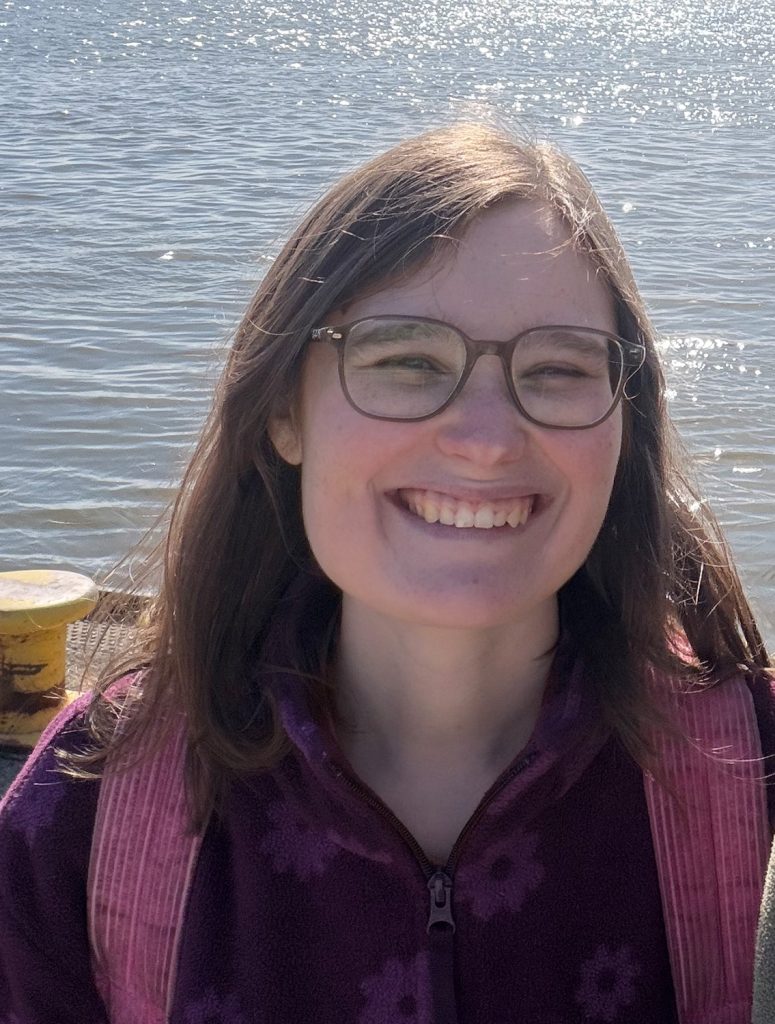
Rosie Lawrence
Unlocking the causes of eating disorders: investigating risk factors across development
I graduated from Cardiff University in 2021 with a BSc in Psychology. As part of my degree I did a placement year in the Centre for Neuropsychiatric Genetics and Genomics working on the DiGEN project with children with 22q11.2 deletions and duplications who have an increased risk of schizophrenia. I then worked as a research assistant at King’s College London looking at psychiatric symptoms of children with Rett Syndrome and assisting in running two clinical drug trials in this population. Following this, I completed an MSc in Mental Health Studies at King’s College London in 2026 with my dissertation using grounded theory to explore experiences of people living with Mild Cognitive Impairment.
My PhD, under the supervision of Dr Sam Chawner at Cardiff University, will focus on exploring causes of Avoidant Restrictive Food Intake Disorder across a child’s development using cohort studies such as Born in Bradford.
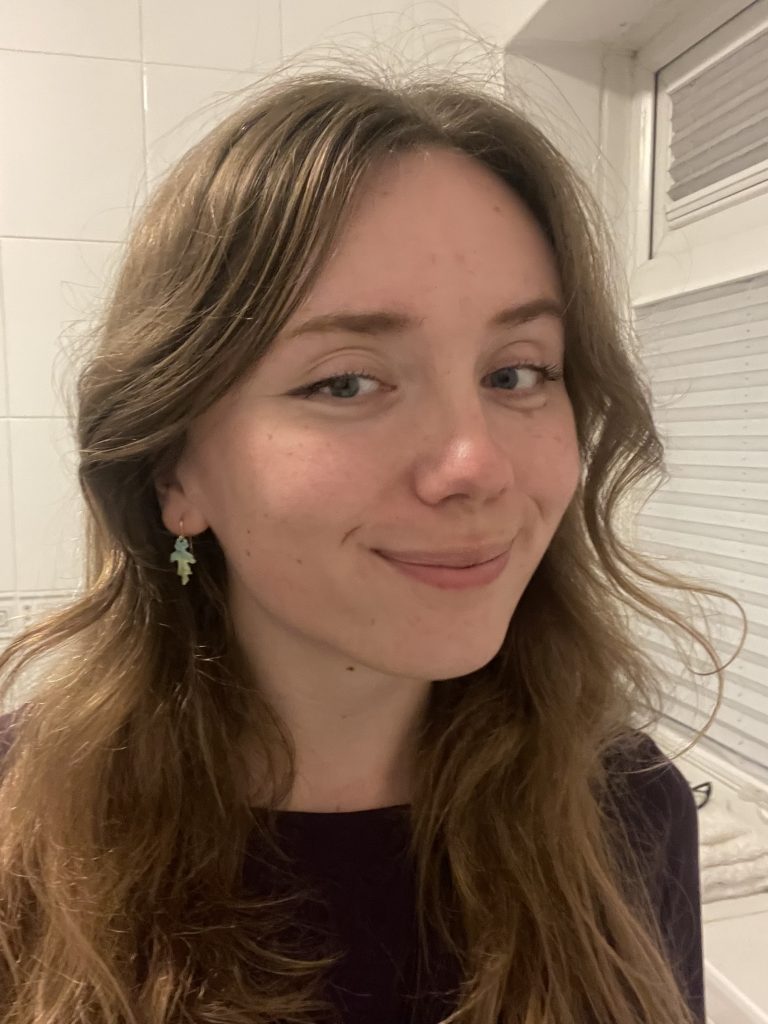
Rosie Purdy
The role of fetal insulin in preeclampsia and maternal cardiovascular disease: a missing piece of the puzzle?
I graduated with an integrated masters degree in Biological Sciences from Cardiff, with a thesis focusing on population genomics. In 2024, I joined the Pregnancy and Fetal Growth Genomics Team in Exeter University as a GRA under Prof. Rachel Freathy. This involved using large scale human health and genetic data to carry out research into understanding pregnancy, maternal and fetal health and growth, and links with later disease. I’m now continuing my work with this group but as a PhD student, investigating the role of fetal insulin in preeclampsia and maternal cardiovascular disease.
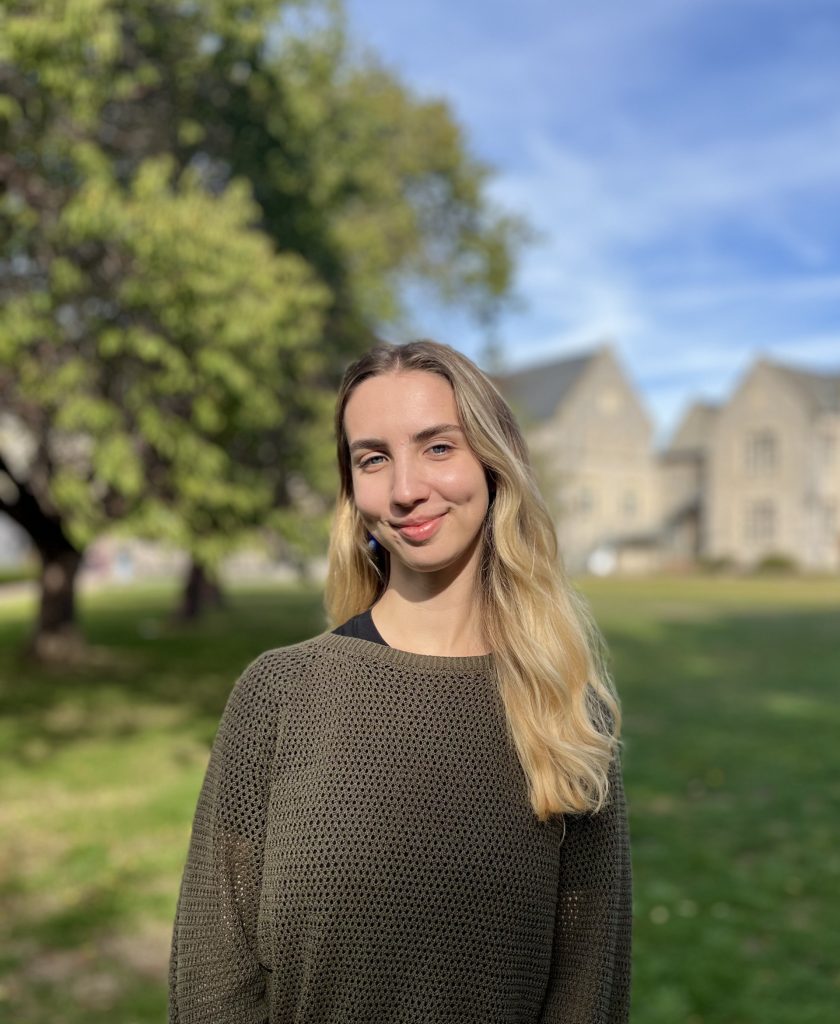
Ruta Cakla
Architects of the Genome: Using genomic technologies to elucidate the role of CTCF in neurodevelopmental disorders
I graduated with a BSc in Neuroscience from the University of Sussex and an MRes in Experimental Neuroscience from Imperial College London. During my master’s, I completed three research project rotations, including investigating epigenetic mechanisms involved in Parkinson’s disease. Here I developed an interest in gene regulation and chromatin organisation.
Following my studies, I joined the University of Oxford as a Laboratory Technician, where I contributed to developing an improved diagnostic test for autoimmune diseases affecting the CNS. I gained essential tissue culture and flow cytometry training, which will support my PhD research under the supervision of Dr Sean Flynn at the University of Exeter.
My PhD project will focus on pathogenic variants associated with neurodevelopmental disorders and their effects on genome 3D architecture. I will use CRISPR editing in human iPSCs, which I will differentiate to assess chromatin organisation across different cell types throughout neurodevelopment.

Sahil Dugg
Elucidating genetic and immune signatures of severe dengue
I completed my BSc in Microbiology at the University of Manchester, featuring a placement year at UKHSA Porton Down, where I conducted my own research project on x-ray viral inactivation. This cemented my focus on virology, particularly tropical and emerging viruses. After graduating, I worked as a Scientist at APHA in the International Reference Laboratory for Animal Influenza, collaborating on international projects and working with novel influenza strains.
I have always been fascinated by the immunology of tropical viruses, especially how host immune responses can contribute to disease pathology. This led me to a PhD at the University of Bristol, exploring this interest in dengue. My project investigates whether variation in host immune genes linked to severe dengue may impair antiviral immunity and influence disease progression.

Sumaiya Khan
A High-Efficiency and Sustainable Next-Generation Nanotherapeutic platform to Improve Astrocytoma Outcomes
I completed my undergraduate degree in Cancer Sciences at the University of Nottingham, where I developed my interest in neuro-oncology, nanotechnology, nanotherapeutics, and drug design. To further my education, I decided to return to the University of Nottingham to obtain an MSc in Oncology. My research focused on assessing repurposed therapeutics to target intercellular crosstalk between Atypical Teratoid/Rhabdoid Tumours and the healthy brain. I am very excited to continue my research journey in the fields of neuro-oncology and nanotherapeutics through a collaborative project between Cardiff University and the University of Exeter, where I will be working on developing a highly sustainable and efficient nanotherapeutic platform to improve clinical outcomes in astrocytoma patients.

Tirtha Parab
Understanding the Molecular Basis of Altered Learning in Schizophrenia
I hold a BA (Hons) in Psychology from Sophia College for Women, India. I then went on to pursue my MSc in Psychiatric and Behavioural Genetics at the Institute of Psychiatry, Psychology & Neuroscience, King’s College London, where I developed a strong interest in the neurobiological mechanisms underlying psychiatric disorders. Supervised by Prof. Francesca Happé, my dissertation, explored ageing, associated comorbidities and quality of life in older autistic adults.
As a researcher, I have worked on multiple projects, investigating how epigenetic dysregulation in Kdm5b-deficient mice shapes early neurodevelopmental phenotypes, as well as the impact of oxytocin modulation in Nlgn3 KI and Nrxn1 KO lines, assessing social communication, repetitive behaviours and aggression.
At the University of Exeter Medical School, my PhD will investigate the molecular mechanisms of schizophrenia genetic risk, using murine models of rare variants. My research integrates behavioural neuroscience, psychiatric genetics, functional genomics and electrophysiology to understand how genetic risk shapes memory circuits.
Winnifred Okoro
What are the biological mechanisms underlying the association between smoking, smoking cessation and mental health: a triangulation approach
I graduated from the University of Ibadan, Nigeria, in 2021 with a degree in Physiotherapy. My experience in clinical practice sparked an interest in moving beyond treating disease to understanding and addressing its preventable causes. This interest also informed my work as a co-founder of PhysioAccess, a nonprofit organisation committed to improving access to rehabilitation services and promoting healthier lifestyles through community-based initiatives.
To further explore disease prevention from a population health perspective, I pursued an MSc in Sport and Exercise Science and Medicine at the University of Glasgow, supported by the African Excellence Scholarship. My dissertation, which investigated occupational physical activity and cardiovascular disease risk, deepened my interest in epidemiology and the challenges of drawing causal conclusions from observational data.
I am now pursuing a PhD at the University of Bristol through the GW4 BioMed2 MRC DTP, with a particular interest in causal inference and generating evidence to inform sustainable public health interventions.